Exactly How a Synthetic Roofer Evaluates Weather-Related Roof Risks
Weather does not damage every roof the same way. Two homes can sit on the exact same street, take the same tornado, and come away with really different results. That distinction normally comes down to design, installment quality, water drainage, exposure, and material option. A seasoned artificial roofing contractor discovers to review those variables rapidly, since weather risk is hardly ever practically what took place last evening. It is additionally regarding what has been constructing for years.
That is especially real with synthetic roofings. Homeowners frequently select them for toughness, look, and lower maintenance compared with all-natural slate or cedar. Those are actual benefits, yet no roofing material is unsusceptible to bad assumptions. A high roof covering with outstanding flashing details and a well-installed artificial system can deal with extreme climate much much better than a premium item laid over poor decking or paired with weak attic ventilation. A roof covering is a system, not simply a shingle.
In areas with wide seasonal swings, that distinction matters much more. A synthetic roofer Chicagoland home owners depend on needs to think over one's head kind of tornado. In the very same year, a roofing might face driving rainfall, hail storm, rapid freeze-thaw cycles, ponding at low-slope transitions, ice damming at the eaves, and summer warmth that checks growth and air flow. Evaluating weather-related roofing threats means studying just how the entire setting up does under duplicated tension, not simply trying to find apparent missing out on pieces.
Why synthetic roofing transforms the evaluation mindset
Architectural synthetic roofing is commonly chosen because it imitates slate, shake, or ceramic tile while minimizing dead lots on the structure. That lighter weight can be a major benefit, specifically during an artificial roof covering substitute on an older home where architectural adjustments would certainly be expensive. However lighter weight likewise transforms how wind, fastening patterns, and edge detailing must be assessed.
A service provider evaluating natural slate seeks split rock, slipped pieces, stopping working copper, and load-related sagging. A specialist checking artificial roof shingles looks at those same crucial shifts, yet likewise pays attention to just how the material flexes, just how it was secured, whether it has begun to crinkle or raise at the leading edge, and just how repetitive thermal motion might be impacting infiltrations and flashings.
Premium artificial roof covering products have a tendency to do well when installed to requirements, however the phrase "to spec" brings a great deal of weight. Supplier information for starter programs, ridge vent combination, valley treatment, fastener placement, and underlayment compatibility are not fine print. They are the distinction between a roofing system that shakes off a tough climate period and one that begins leaking in subtle, expensive ways.
The very first thing a skilled specialist researches is exposure
Before climbing a ladder, an excellent assessor spends a couple of mins on the ground. Direct exposure narrates. A residence on an open lot without any tree cover will certainly take much more direct wind and UV direct exposure than a house protected by neighboring structures. A home at the end of a lengthy bring, such as the edge of a neighborhood support to open up prairie, often sees higher gust pressure at corners and ridges. In the Chicago area, that matters. Wind does not need to reach headline-grabbing speeds to test a roofing's weakest details.
Orientation issues too. South- and west-facing slopes usually age much faster due to the fact that they take extra direct sun and harsher afternoon heat. North-facing slopes may hold moisture salvo architectural roofing contractors naperville il much longer, which can urge algae development, freeze-thaw tension, and relentless moisture around debris pockets. When an artificial roof covering business examines threat, those slope-by-slope distinctions help predict where failure is most likely to show up first.
The roofline additionally forms exposure. Dormers, converging gables, dead valleys, long rakes, and multi-level changes all produce disturbance and water drainage focus. Synthetic roof covering for luxury homes typically entails complex geometry, and complexity increases both aesthetic value and weather condition danger. The even more elaborate the layout, the more important the details become.
Hail is hardly ever a basic yes-or-no diagnosis
Homeowners usually inquire about hail storm initially, particularly after a tornado. Not surprisingly so. Hail damage sounds straightforward, yet it typically is not. On synthetic roofing systems, impact reaction depends upon the product formulation, the size and density of the hail, roofing system incline, ambient temperature, and whether the roof covering currently had underlying vulnerabilities.
Some effects leave noticeable visual marks, such as scuffs, crushed sides, leaks, or broken tabs. Others create much less remarkable indications, like minor deformation around fasteners, stress and anxiety bleaching, or bruising that turns up only when seen at an angle or handled carefully by a knowledgeable artificial professional roofer. The obstacle is dividing aesthetic wear from functional damage.
That judgment phone call matters because substitute choices lug genuine expense. A professional with integrity does not call every blemish tornado damages, and a careful homeowner must watch out for any individual who does. On the other hand, refined effect damage around hips, ridges, and revealed area areas can jeopardize water dropping long prior to a leak shows up inside. I have seen roofs that looked acceptable from the driveway, yet showed duplicated micro-fracturing in high-exposure sections as soon as checked up close. Those roofing systems often fall short during the following major tornado, not the one that initially damaged them.
In synthetic roof Chicago jobs, hailstorm evaluation usually overlaps with age and setup background. A newer roofing with sound decking and proper underlayment may endure moderate hailstorm effectively. An older roof covering, particularly one with minimal attachment or weak accessory components, can endure disproportionate damages from the very same event.
Wind damages starts at the edges and moves inward
Wind does not assault a roofing system uniformly. It works with edges, eaves, ridges, and rake sides first. Unfavorable stress lifts where resistance is weakest, then repeated gusting widens that weakness. On artificial roofing system installment tasks, edge securement and starter positioning are some of the most essential factors in long-lasting storm resilience.
During evaluation, a specialist tries to find tiny ideas: a slightly elevated leading edge, sealant failing where it must be bound, bolts put too expensive, ridge caps with minor displacement, or subjected underlayment at prone transitions. These are the sort of concerns homeowners practically never observe from the ground, yet they are precisely what become blown-off areas during the next wind event.
This is one factor artificial roof installers who recognize regional climate patterns have a tendency to outperform teams that merely know exactly how to make a roofing system look finished. In Chicagoland, wind-driven rain is commonly as crucial as wind uplift. If a detail allows capillary entrance or backflow under stress, the roof covering can leak even without losing visible pieces.
A service provider likewise looks at what is occurring around the roof. Loosened gutters, displaced fascia cover, curved drip edge, and motion at smokeshaft flashing can all indicate that wind has already begun to make use of weak points. Roofing system danger is rarely isolated to the area product alone.
Freeze-thaw damages is among the most underrated threats
Homeowners usually visualize weather damage as significant and sudden. Actually, many roofing system failures are slow-moving. Freeze-thaw cycles are an ideal example. Water gets in a small space, rests, ices up, broadens, thaws, then duplicates the procedure lots of times with a winter season. Each cycle widens the opening, loosens fasteners, or worries adjacent components.
Synthetic roofing systems typically take care of moisture far better than lots of conventional materials, yet they are still at risk where water remains. Valleys, sidewall shifts, roof-to-wall intersections, skylight visuals, pipes vents, and smokeshaft saddles prevail problem locations. If debris slows drain or flashing was not integrated cleanly at setup, winter season will certainly discover the mistake.
In synthetic roof Naperville IL examinations, ice dam danger is a routine topic due to the fact that the location sees adequate snow and sufficient temperature fluctuation to make side security important. A specialist does not just search for the visibility of ice shield. The analysis goes even more. Just how far up the incline does it run? Was it set up continually at vulnerable shifts? Is attic room warm loss contributing to melt-and-refreeze patterns? Are consumption and exhaust ventilation stabilized? Those questions matter because ice dams are not brought on by roofing product alone.
I as soon as checked out a high-end home with costs artificial roofing that had established discoloring along 2 upstairs bedroom wall surfaces. The tiles themselves were still healthy. The actual issue was a combination of insufficient attic room air securing, uneven insulation, and a valley detail that trapped slushy snow longer than it should have. The visible signs and symptom appeared inside your home, but the root cause was a system problem in between warm movement, wetness, and drainage.
Drainage informs you more than the shingle surface
A roofing can have attractive artificial roof covering tiles and still be high risk if water drainage is bad. Water is patient. It does not require a dramatic opening. It only needs rep and time.
That is why a skilled synthetic roof business invests significant focus on water courses. Valleys need to relocate water cleanly without catching fallen leaves or overconcentrating overflow versus fragile changes. Cricket building and construction behind smokeshafts ought to avoid standing water and drifting snow buildup. Rain gutters must have adequate capability and correct pitch. Downspouts should discharge efficiently so wintertime back-up does not produce ice at the roof covering edge.
Drainage issues usually appear first as staining, granule-like particles from nearby products, mold near soffits, or repeated overflow marks on siding. On multi-level roofing system layouts, upper sections can dispose phenomenal water volume onto lower ornamental locations. This prevails in synthetic roof for deluxe homes where visual roof covering intricacy can accidentally develop focused wear areas. A service provider reviewing weather threat needs to assume hydraulically, not simply cosmetically.
Attic conditions usually verify what the exterior suggests
Exterior assessment can recognize likely failure factors, but attic room problems often validate the medical diagnosis. A professional evaluating weather-related roof covering risks will search for darkened sheathing, rusted nail pointers, mold-like development, pressed insulation near eaves, frost residue, or indicators of repeating wetness around penetrations. These indicators aid divide an one-time occasion from a chronic issue.
Poor air flow remains among the most significant surprise responsibilities in domestic synthetic roofing. Inadequate intake can starve ridge exhaust. Excessive exhaust without well balanced intake can pull conditioned air from the home. In either case, the roof deck experiences temperature and wetness swings that boost winter season condensation and accelerate summer season heat stress.
This is where experience matters. Home owners commonly think that if a roof covering does not leakage, it is great. However roof coverings can mature from the inside out. An artificial roofing substitute might come to be essential not since the field material stopped working early, yet since caught heat and dampness weakened the substrate, underlayment, and bolt holding power over time.
Material compatibility is a genuine weather-risk factor
Not all synthetic roofing systems equal. Product design, accessory accessibility, checked settings up, and approved underlayments vary. A contractor reviewing risk requires to understand what details product is on the roof covering and whether the initial installment matched its requirements.
This sounds technological, however it has practical effects. If an artificial shake account was set up with a generic ridge detail as opposed to the manufacturer-recommended vented assembly, wind-driven rain performance might be reduced. If flashing steels were chosen without taking into consideration regional corrosion exposure or motion, thermal biking can open up joints. If bolts were also brief for the deck problem, uplift resistance may never have been adequate.
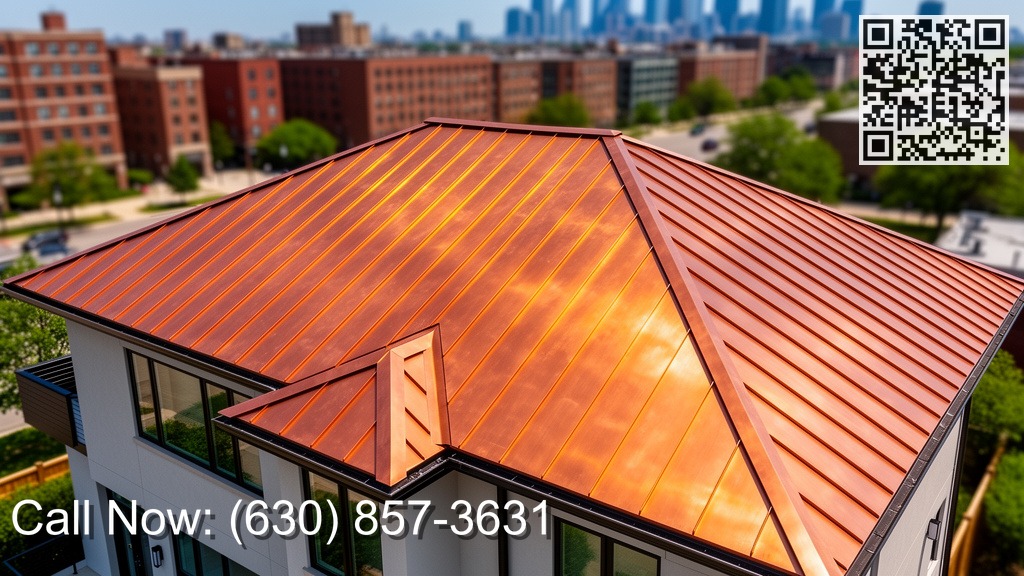
Architectural artificial roof covering typically does well since it integrates aesthetic allure with design advantages. Yet engineered systems only function when their parts are dealt with as synergistic. That is one factor a qualified artificial roofing contractor will certainly frequently ask even more inquiries than a general roofer. The goal is not to complicate the job. The goal is to avoid confident guesses.
Age matters, however age alone is an inadequate predictor
Homeowners commonly ask the number of years an artificial roofing "need to" last. It is a fair inquiry, but weather danger does not comply with a neat calendar. I have seen fairly young roofs with avoidable installation defects age badly in under a years, and older roofing systems continue to be serviceable due to the fact that they were mounted carefully, ventilated properly, and maintained consistently.
A better way to think about age is as one variable among several. The better inquiries are these: The number of significant climate occasions has the roof covering experienced? Has it seen duplicated freeze-thaw tension? Was maintenance done immediately after minor damage? Are vulnerable shifts original, patched, or formerly modified? Has close-by tree growth changed shade and particles patterns over time?
When synthetic roofing installers evaluate replacement versus repair, they weigh current condition, predicted climate exposure, and price effectiveness. A local fixing can be the best solution if the roof covering is basically sound. However if several details are approaching failure at the same time, a synthetic roofing replacement may be more prudent than chasing leaks section by section.
Regional judgment matters in Chicagoland
There is a factor neighborhood experience shows up so typically in specialist selection. Synthetic roof Chicago and suburban markets provide an unique mix of environment stress, code assumptions, building range, and property owner concerns. A specialist functioning on a regular basis in Naperville, the western suburbs, and the city will observe patterns that an out-of-area team might miss.
For instance, older homes might have layered adjustments, hidden deck repairs, or ventilation compromises from earlier restorations. More recent custom homes may make use of complex rooflines and exceptional materials yet still suffer from drainage concentration if appearances were focused on over runoff monitoring. Lake-influenced wind patterns, hefty damp snow events, spring hailstorm, and abrupt temperature swings all affect examination judgment.
That neighborhood pattern acknowledgment is one factor numerous property owners look especially for a synthetic professional roofer Chicagoland based as opposed to simply searching for a wide nationwide provider. Climate familiarity is not marketing language. It alters genuine choices concerning underlayments, blinking methods, ventilation techniques, and repair work urgency.
What a responsible risk analysis seems like
A reliable service provider seldom chats in absolutes. Instead, the discussion typically appears gauged. This slope is extra prone than that one. These ridge details ought to be kept an eye on after the following winter season. The hail marks below show up cosmetic, but this valley flashing is a much more prompt problem. The roofing might have five great years left if drain is corrected, or a lot less if the attic room wetness concern remains unresolved.
That kind of nuanced answer can really feel much less rewarding than a fast decision, but it is better. Roofings fail via combinations of stress. Weather subjects weak points, yet most of those weak points were developed long before the storm arrived.
A careful synthetic roofing company records conditions extensively, discusses what is currently harmed, what is most likely to become an issue, and what can fairly wait. The best referrals are focused on, not blown up. Property owners do not require alarm system. They need clarity.
The value of proactive inspections
One of one of the most functional lessons in roof is that tiny flaws are most inexpensive when they are still boring. A lifted edge, a small flashing splitting up, blocked drain, or early attic condensation might not really feel immediate. After one bad period, each can end up being expensive.
For homes with synthetic roofs, specifically custom or high-value properties, periodic evaluation becomes part of securing the investment. That does not imply continuous treatment. It implies having a knowledgeable synthetic roofing contractor review the roofing system after significant hailstorm or wind occasions, and additionally at practical intervals as the roof ages.
Residential artificial roof covering is a strong choice for home owners that want performance and appearance without the weight and upkeep demands of some conventional products. However the product alone is not the story. Weather-related roof danger is formed by exposure, design, installment high quality, air flow, drain, and upkeep response. A service provider that understands those connections can often find tomorrow's trouble while it is still manageable today.
That is the real worth of a specialist analysis. It is not only regarding recognizing damages. It is about understanding just how weather will communicate with this specific roof covering, on this particular residence, in this particular climate, and making sound choices before the following storm tests every assumption.
When Quality Matters
Salvo Architectural Roofing Contractors
566 West 5th Ave Naperville, IL 60563
(630) 857-3631
 Ask ChatGPT
 Ask Grok
 Ask Perplexity
 Ask Claude
 Ask Google AI
 Ask You